Dry Years Are Accelerating the Trend Towards Rainwater Retention
Nikolai Kendzia has worked since 2002 at the Bavarian State Institute for Viticulture and Horticulture (LWG) in Veitshöchheim near Würzburg. As head of the Institute for Urban Green Spaces and Landscape Construction – find out more on the LWG website (in German) – he is a recognised expert on topics such as rainwater infiltration, rainwater storage and rainwater use. He is involved in teaching at the Master and Technician School associated with the State Institute, advises landscape and garden construction businesses as well as local authorities, and supports research projects – including on the topic of rainwater management.
“For us in Veitshöchheim, dealing with rainwater retention is nothing new,” Kendzia emphasises. “As far back as 1991, the institute set up an infiltration station for data collection, which demonstrated that the rainwater generated on a site can be managed entirely on that property. And after the first dry years were recorded in the early 2000s, the topic really gained momentum.” This opens up exciting prospects for the GaLaBau sector.
Rainwater Management as a Lucrative Field of Activity
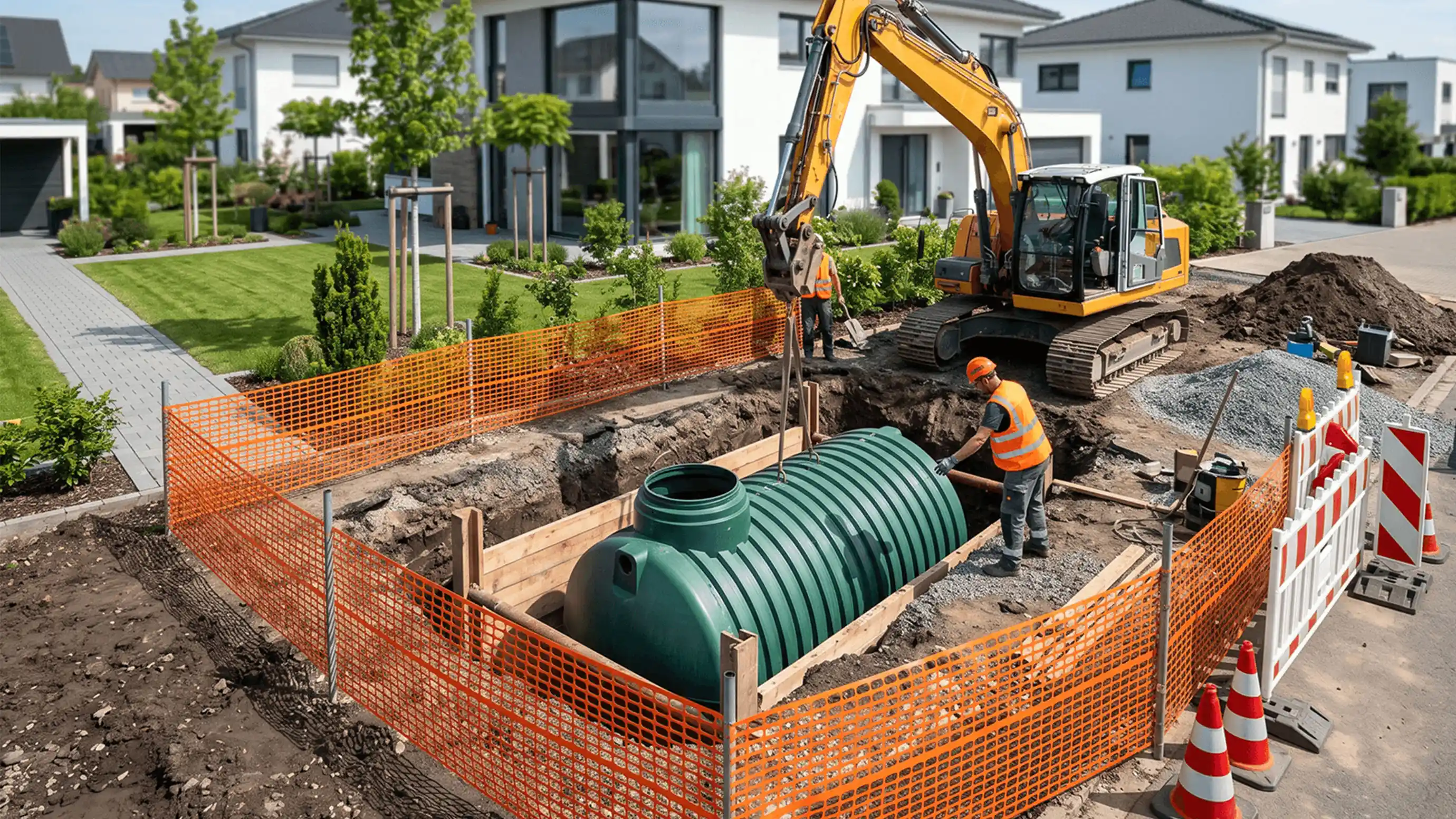
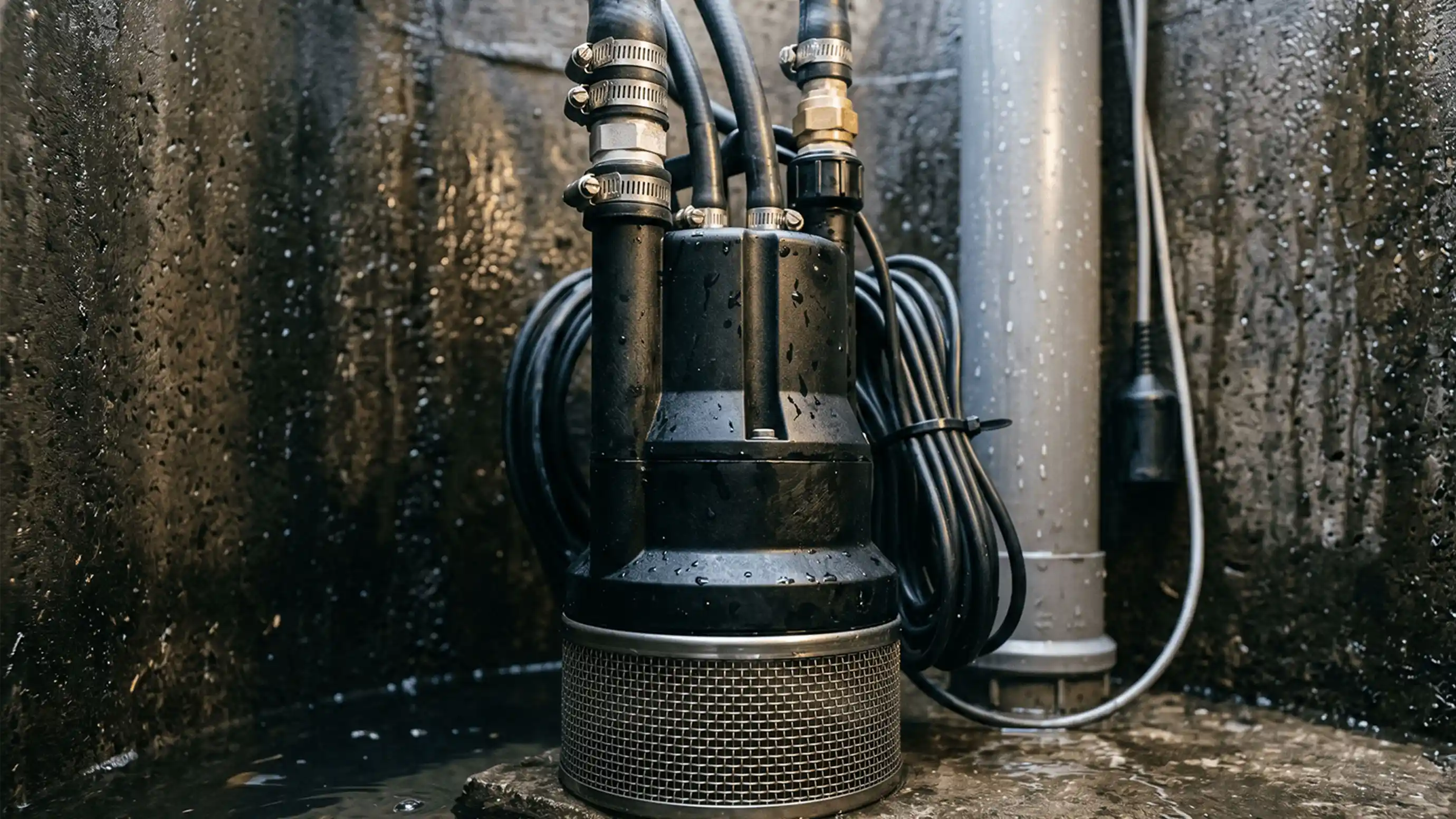
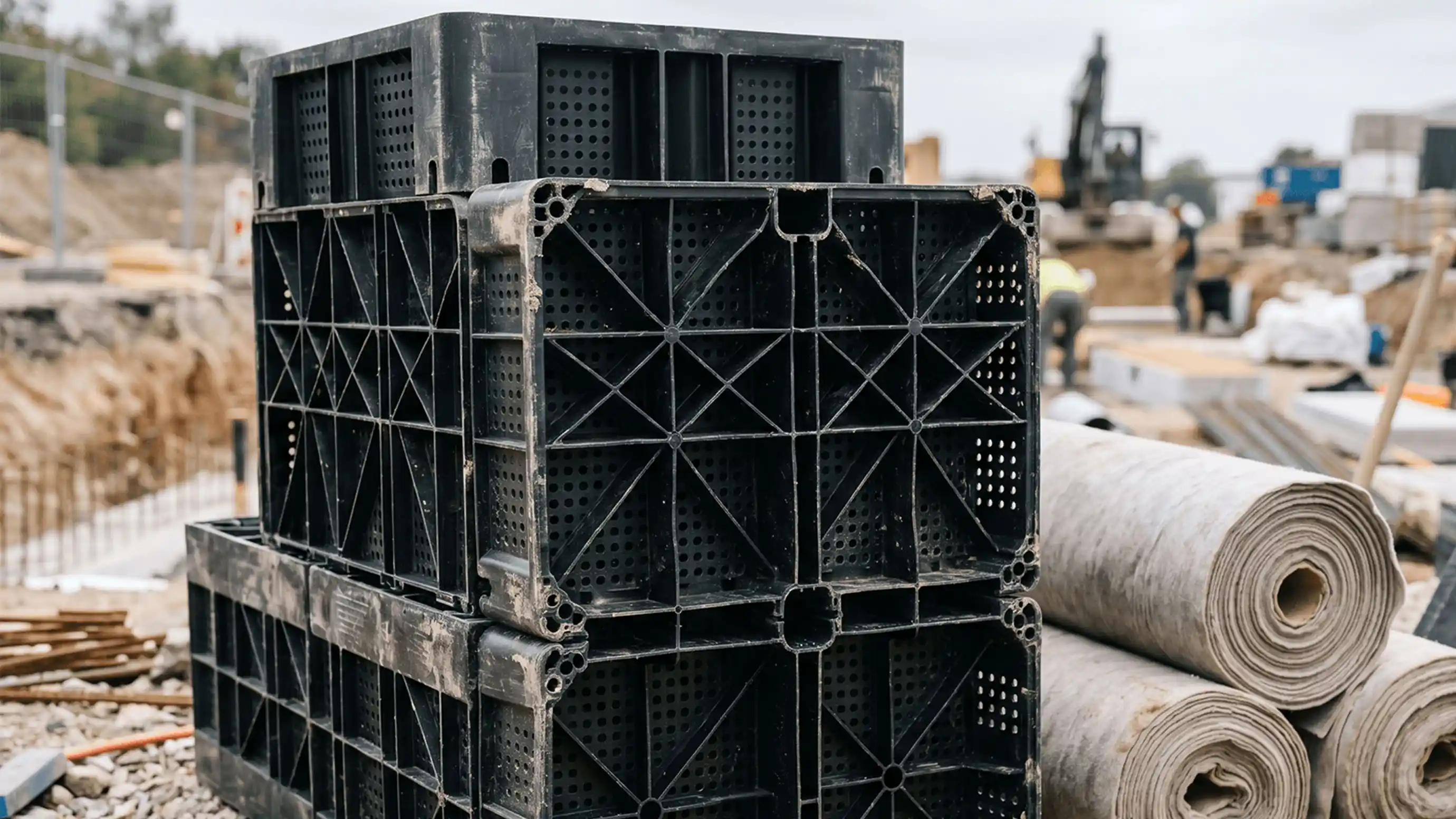
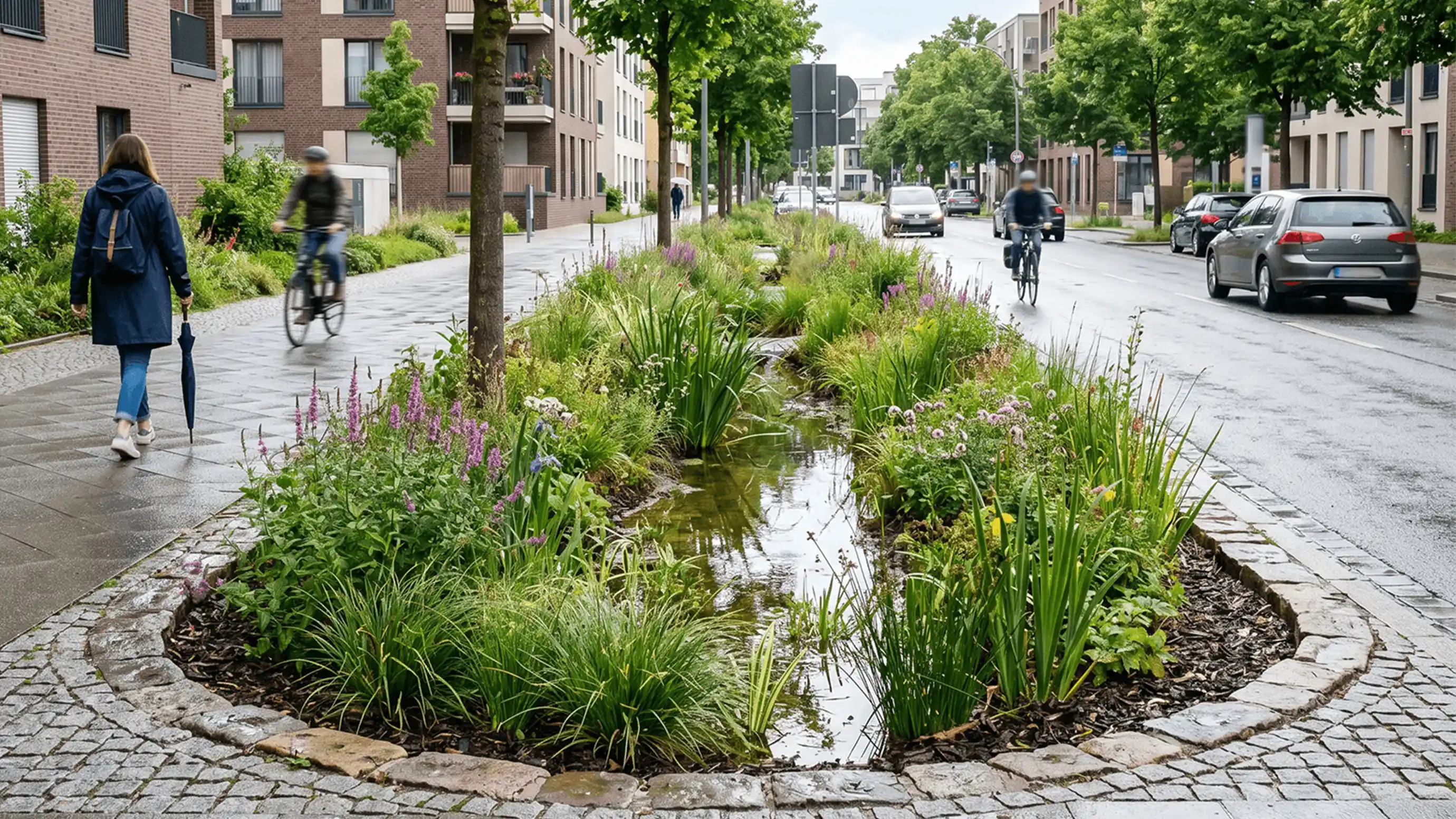
Rainwater management is worthwhile for modern landscape and garden construction businesses and offers a wide range of approaches – Nikolai Kendzia is convinced of this. Installing infiltration trenches and infiltration areas is just as much a part of this as building cisterns. However, when it comes to installing pump systems and top-up devices (mains water feed into cisterns), landscape gardeners should absolutely bring in a local installation company as a partner.
Expertise from the Professional Association for Operational and Rainwater Management
GaLaBau professionals who want to be comprehensively informed can visit the website of the Fachvereinigung Betriebs- und Regenwasser (fbr) (in German), Germany’s professional association for operational and rainwater management. There, in addition to an extensive knowledge pool, visitors have the option of ordering the annually published fbr Market Overview via a dedicated shop link (in German). This 100-page publication presents solutions for the sponge city and blue-green infrastructure, and features more than 340 products for rainwater use and rainwater management.
Subsidies and Reduced Wastewater Charges
Nikolai Kendzia has one more tip for landscape gardeners: “Find out about funding programmes. These are usually provided at the local authority level – for example, for the construction of rainwater cisterns. There is also often savings potential when it comes to wastewater charges.” Armed with this knowledge, GaLaBau professionals can go into client meetings well prepared, establish themselves as experts and win attractive contracts.