• 11/10/2026

Best Practice GaLaBau: Superblocks in Nuremberg

In densely built-up urban areas in particular – but also in other municipal contexts – extreme weather events, heat stress, air pollution and noise are increasingly causing infrastructure damage and health burdens. Habitats for plants and animals are also being compromised or lost entirely. One compelling approach that also challenges the GaLaBau sector is the concept of so-called superblocks. We explain what lies behind this concept and show, using the real-world example of Nuremberg-Gostenhof, what they can achieve – including in terms of climate adaptation.

Written by Karsten Köber

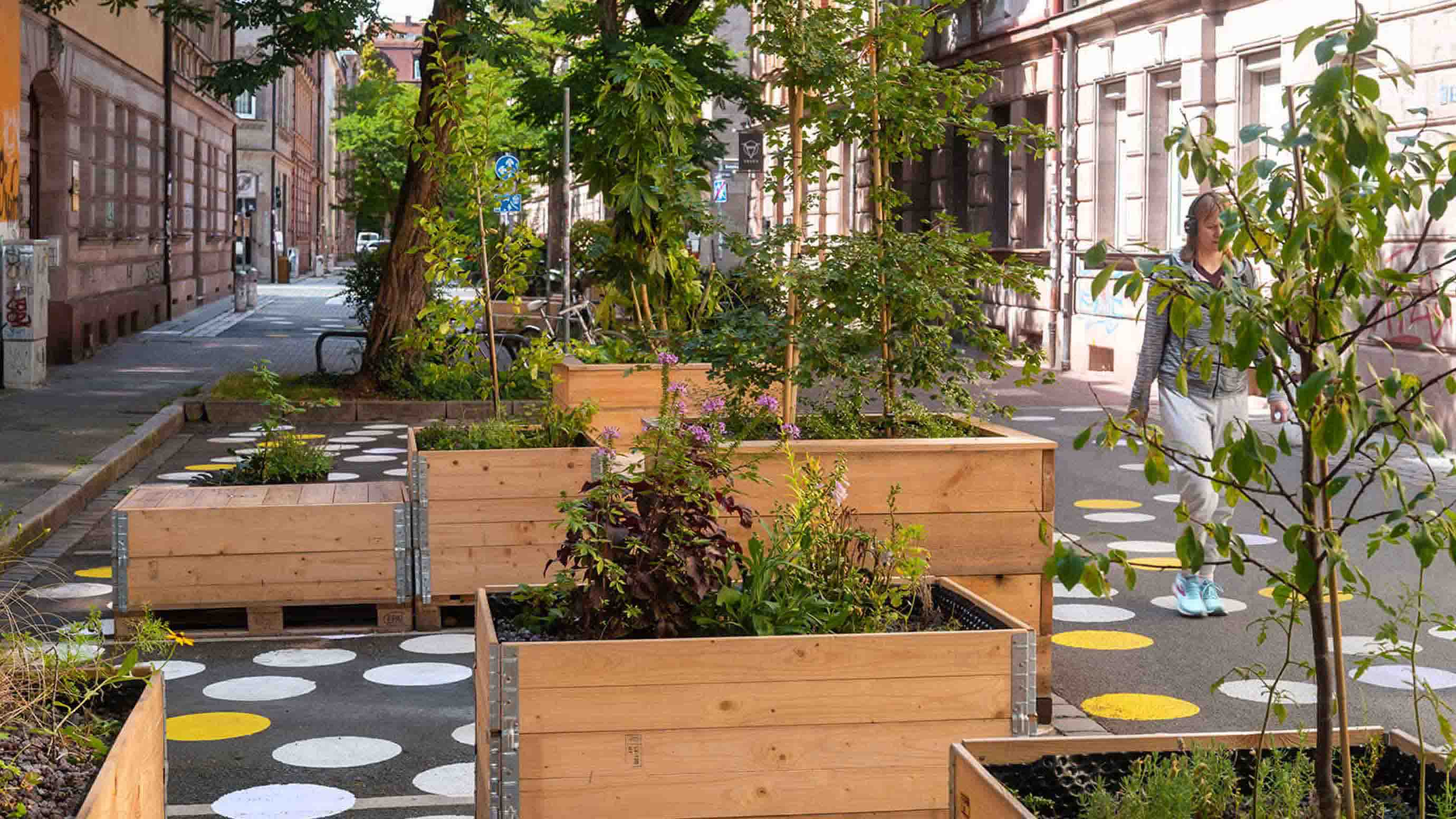
Parklets with raised beds and benches bring a city street to life
Urban green on a temporary basis: parklets create space for plants and people

Innovative Redesign of Street Spaces

In its climate projection, the German Environment Agency (Umweltbundesamt) sets out on its website how the climate could continue to change in the future – and much of this is already being felt today. To enable the urgently needed climate adaptation, cities and municipalities need not only sustainable urban planning, but also a new perspective on urban green spaces. While parks and green areas were the primary focus in recent decades, the redesign of street spaces, the unsealing of surfaces and urban horticultural projects are increasingly coming to the fore. One particularly compelling and widely discussed approach is the concept of superblocks.


Superblocks – GoHo!

This concept has also arrived in Nuremberg – home of the GaLaBau trade fair. We take a look at the Gostenhof district, located in the west of this city of 500,000 inhabitants. There, a superblock pilot project launched in mid-2025 succeeded in calming traffic, bringing more greenery into the urban environment and creating new places for people to spend time. More background on how the project came about, along with fascinating insights, can be found in the report by the City of Nuremberg’s Environmental Office (in German). The “GoHo” trend district has in any case become more colourful and greener – a view shared by many of those involved.

Parklet with planted wooden modules and a watering can in front of a building facade
Temporary urban greenery: planting modules bring nature into the street

What is particularly interesting is that the district has previously served as the setting for traffic model projects on several occasions: the route of Germany’s first railway, the “Adler”, once ran through here. And as far back as the 1970s and 1980s, the city reorganised traffic routing in what is now the trendy “GoHo” neighbourhood in such a way that through-traffic from outside the area was largely excluded – an early step towards greater traffic calming and towards concepts such as the superblock of today.


But What Exactly Are Superblocks?

Superblocks are an urban planning concept that originally comes from Barcelona. Several city blocks are combined to form a single traffic-calmed unit. More detail on the background and objectives can be found in the project description on the City of Nuremberg website (in German). In broad terms, the concept involves the following measures:

  • Converting parking spaces and road areas into seating and green spaces as well as play areas
  • Installing bollards or barriers to guide traffic
  • Designating new one-way streets
  • Placing plant containers, as large as possible


Benefits of Using Superblocks

Why does sustainable urban planning with superblocks make a contribution to climate adaptation? Several factors speak in their favour:

  • The proportion of green space – and thus the potential infiltration area – increases; more plants mean greater evaporation and therefore a cooling effect on the neighbourhood
  • No through-traffic, and therefore less noise
  • Less residential traffic, and consequently a reduction in air pollution
Information board and leaflet box at a parklet, next to a black box with a sticker
Participation welcome: the info point at the parklet keeps people informed about the project

Everyone Is Invited to Get Involved

Regardless of who takes the initiative to establish superblocks in a modern municipality – whether a residents’ association, local politicians, the city administration or an engaged GaLaBau business – implementing the concept can make a valuable contribution to urban climate adaptation. Current background information, maps and details about the project in GoHo can be found on the website of the Superblock Initiative Nuremberg Gostenhof (in German)

The Superblock in Pictures: How a Street Becomes a Place to Linger

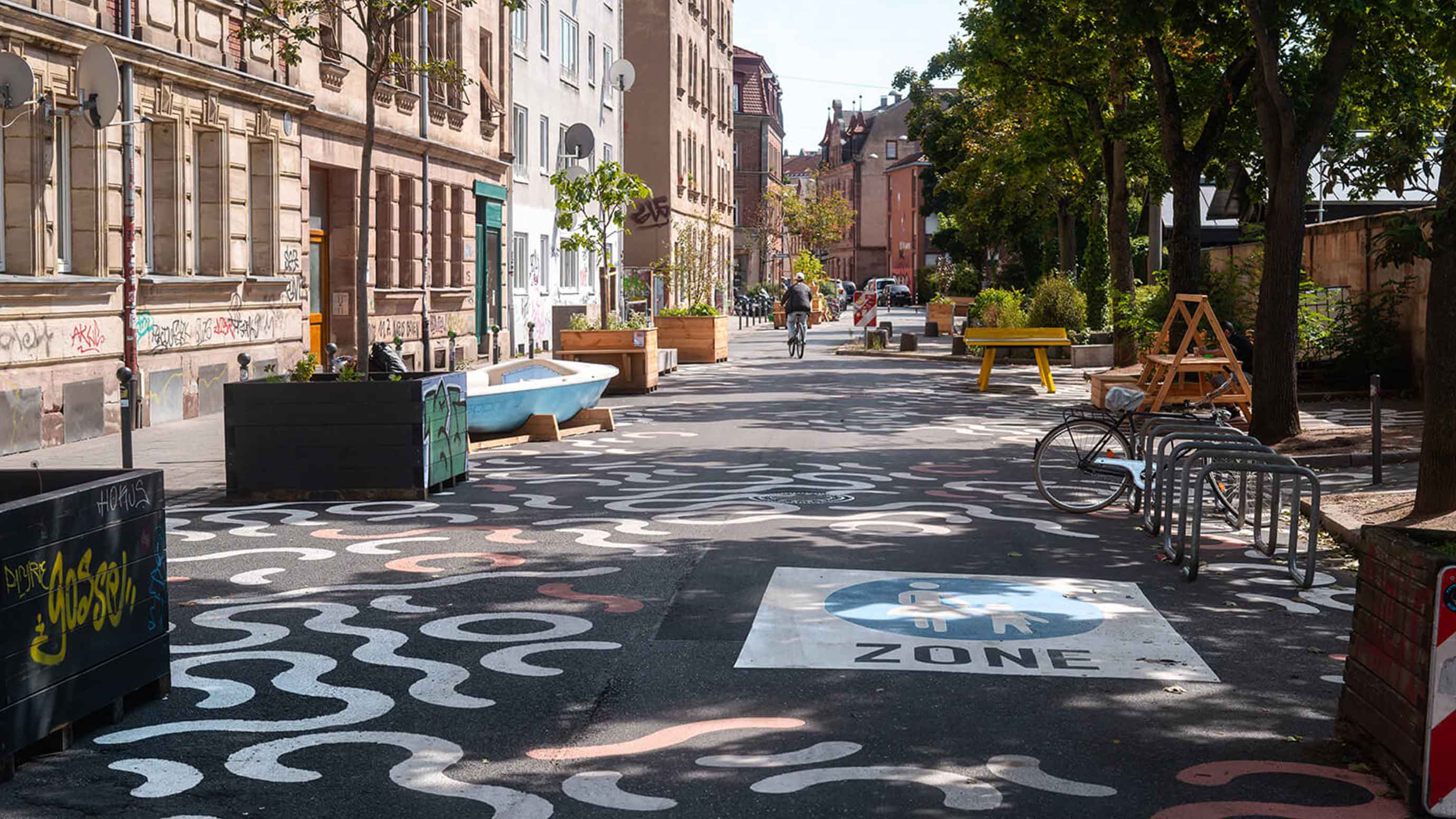
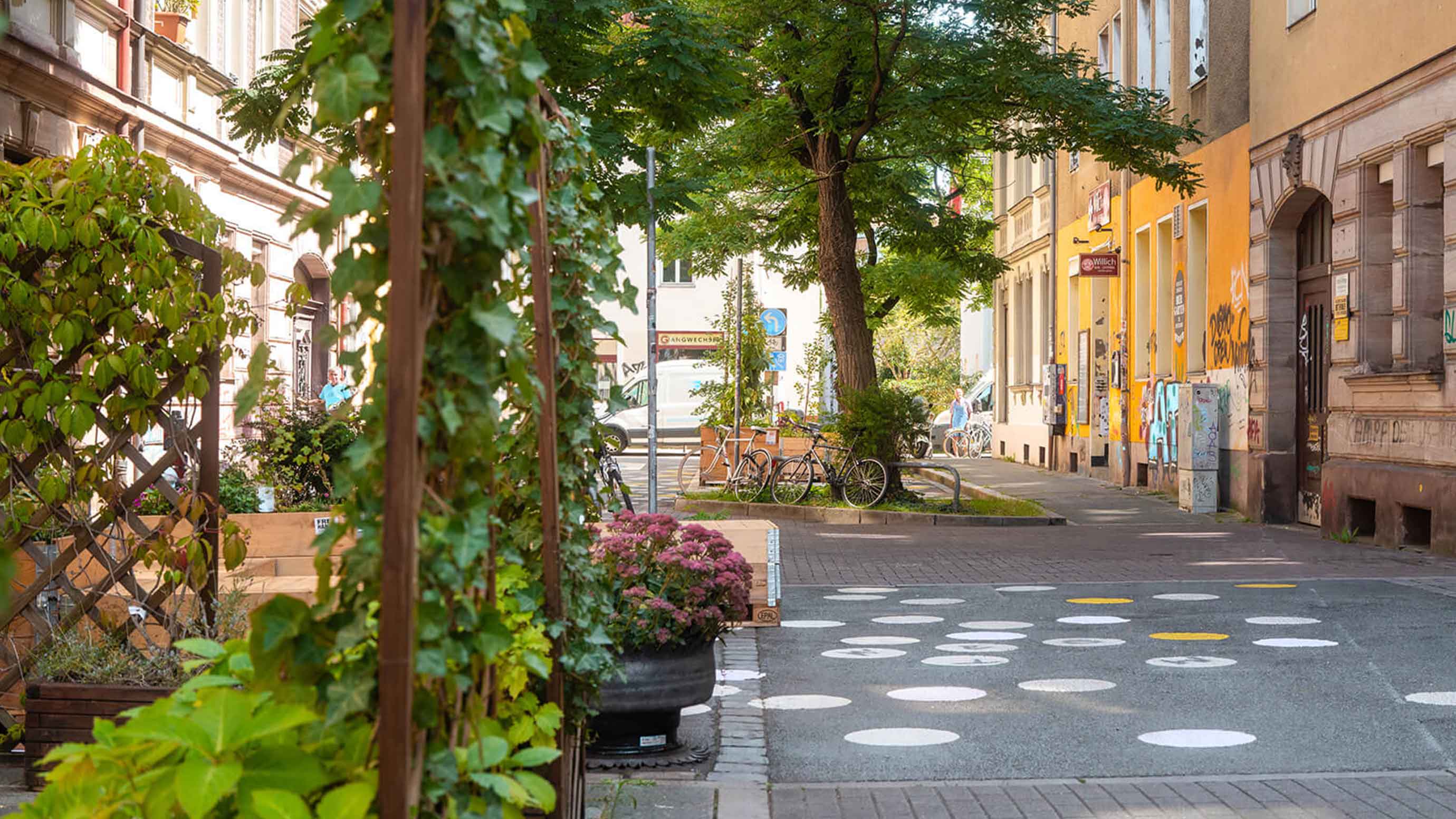
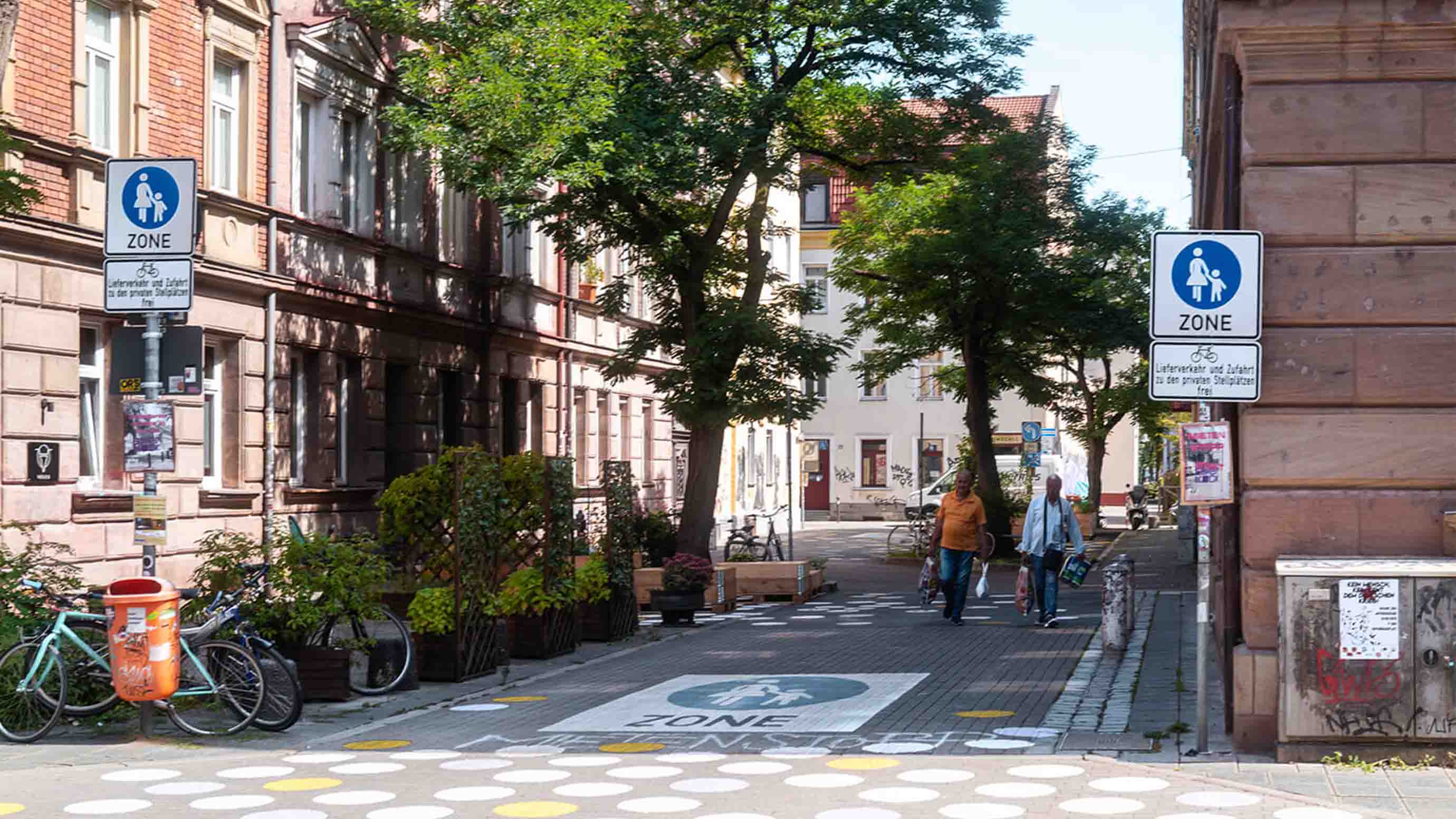
Calmed street with markings and parklets in the neighbourhood
Long street with superblock markings, trees and little car traffic
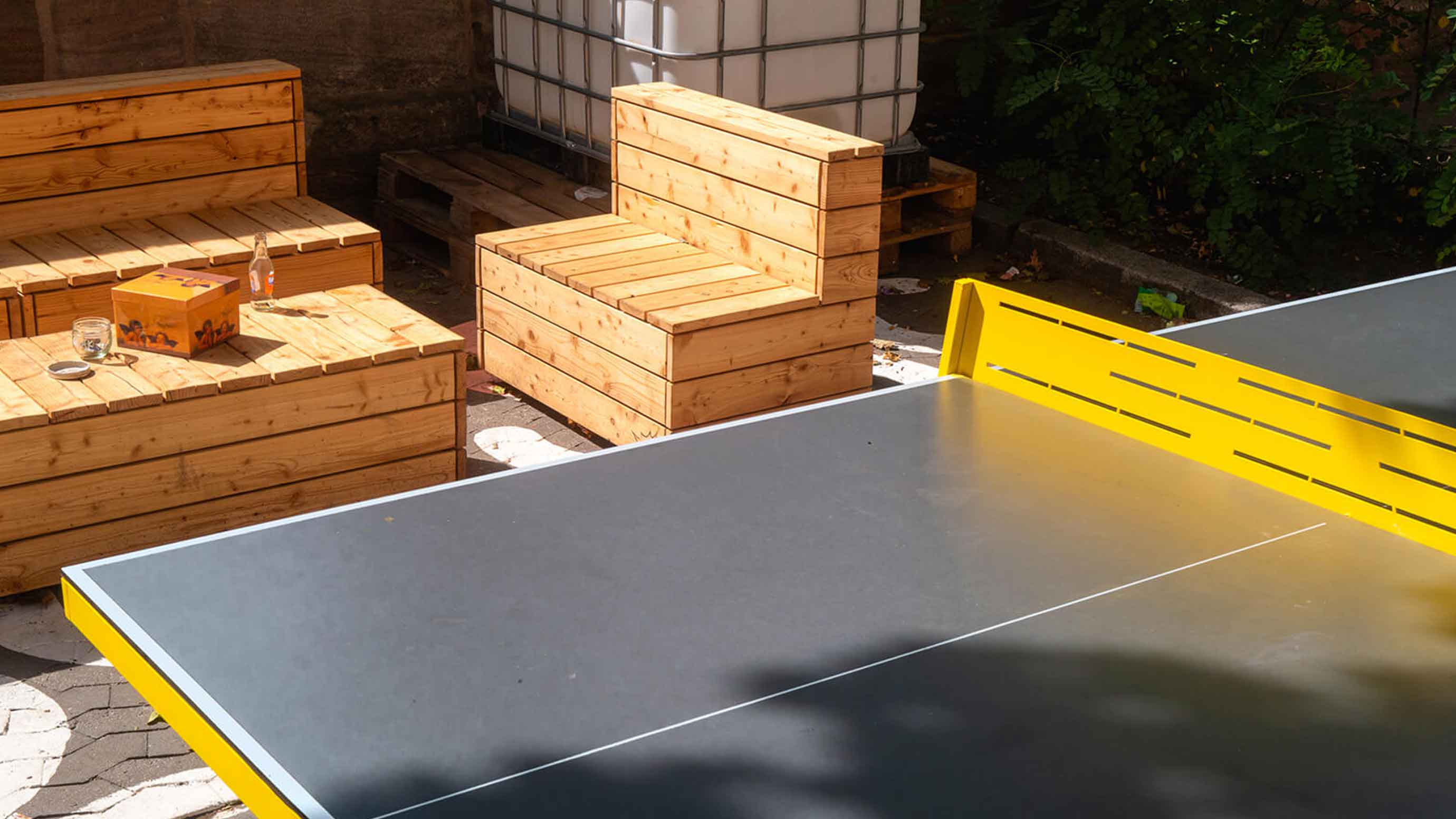
Table tennis table next to wooden benches invites people to play in the street space
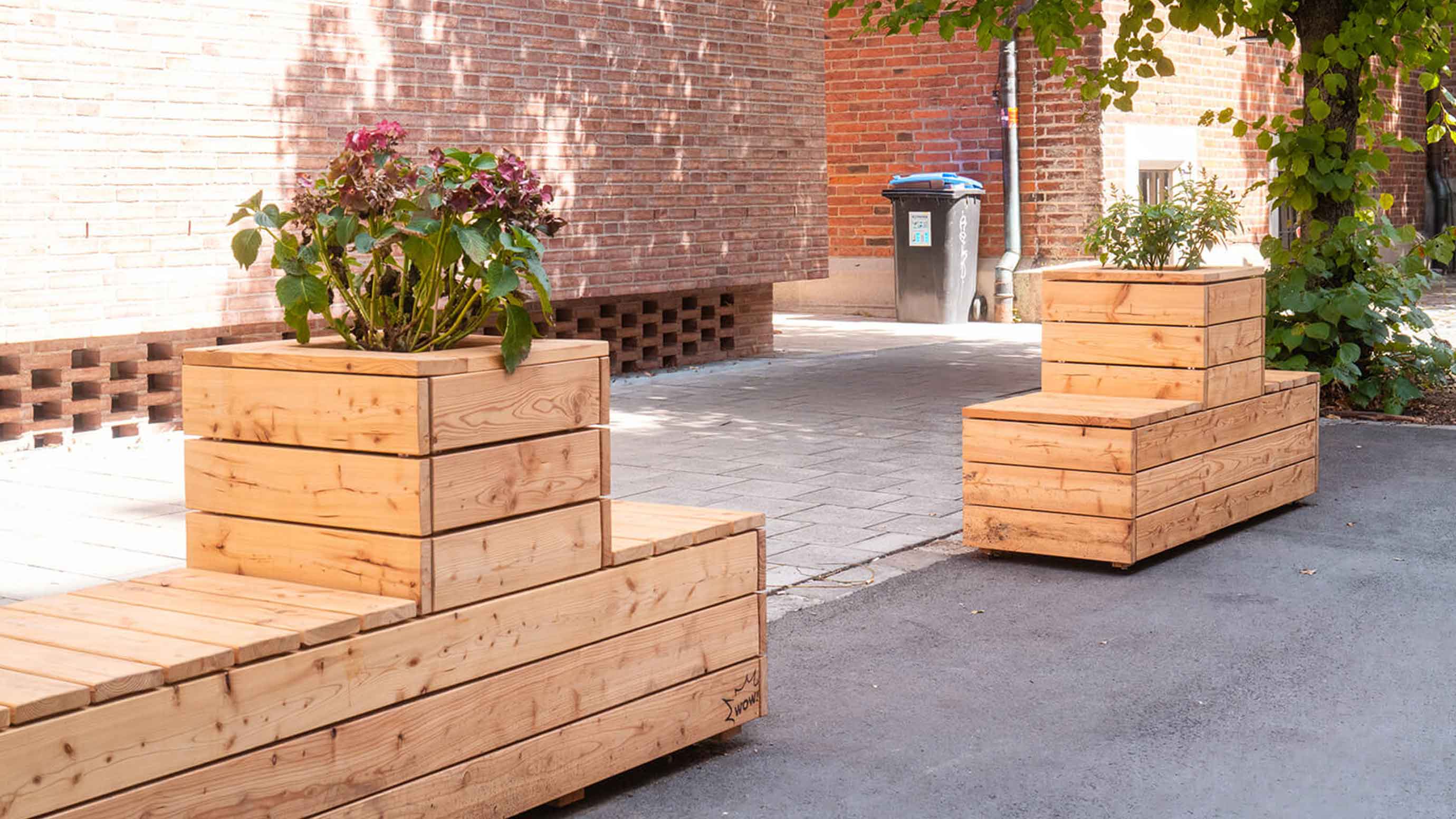
Bench with wooden plant box stands in a quiet section of street
Wooden planting modules and trees provide shade in a side street
Superblock zone sign marks the traffic-calmed area in the neighbourhood
16

Author

Portrait of Karsten Köber
Karsten Köber
Gärtner, Landschaftsarchitekt und Journalist, Inhaber des Büros projekkt.com in Karlsruhe